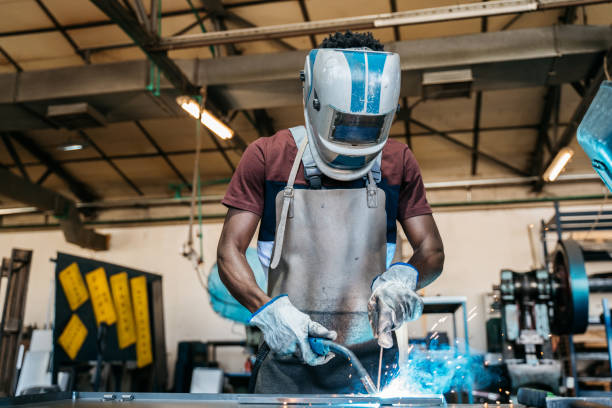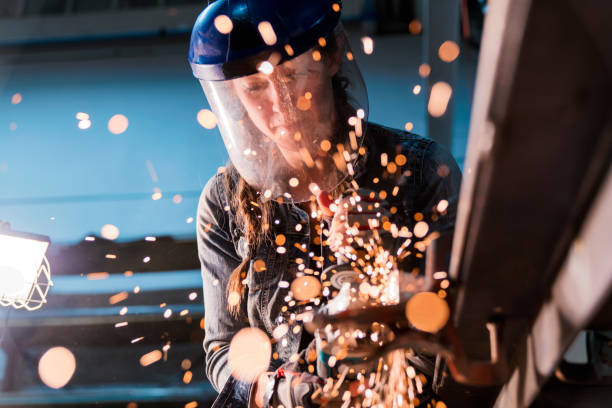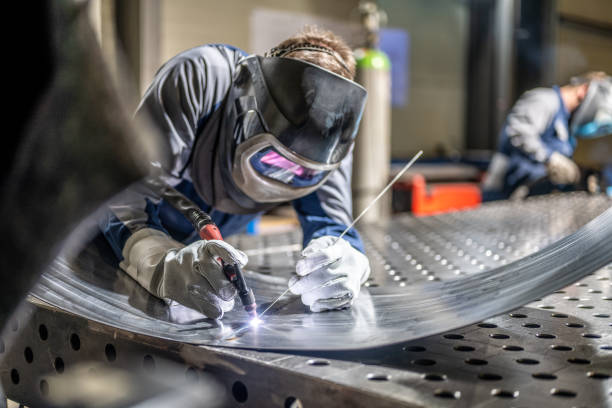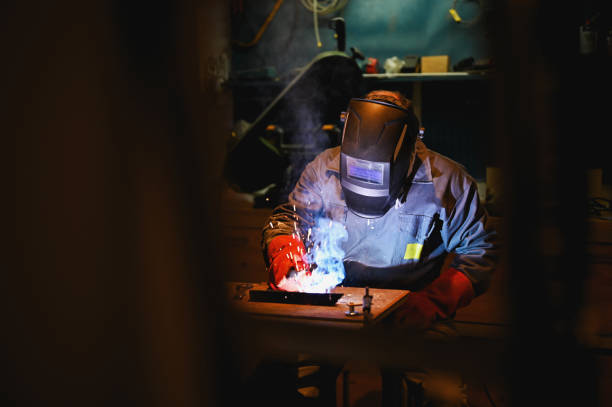
When you put on a welding helmet and ignite an electric arc, you probably don’t think about materials science . But the thin barrier between your eyes and the outside world— polycarbonate lenses —is a marvel of protective technology. Due to its unparalleled performance, this material is not only used in astronaut helmet visors but is also the preferred material for protective plates and filter shells in all professional welding helmets .
welding environments filled with high temperatures, high-speed sparks, and intense radiation , helmet visors must possess two core capabilities : resistance to kinetic energy impact and protection against harmful ultraviolet (UV) radiation .
This article will delve into the field of materials science , revealing how polycarbonate , a polymer material, provides excellent impact resistance and built-in UV protection through its unique chemical structure , becoming an “invisible fortress” for your safe welding.
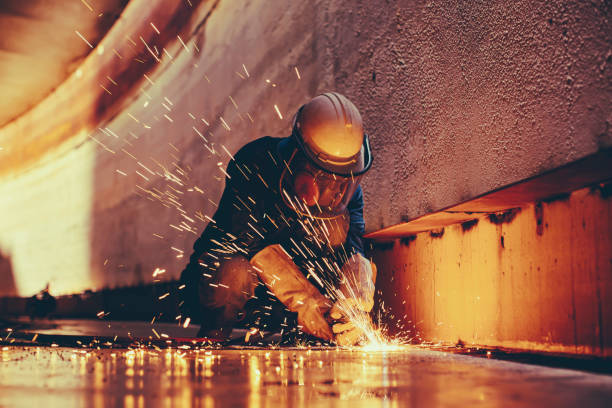
Secret 1: Impact Resistance —— polycarbonate A flexible fortress
polycarbonate stronger than traditional materials? The answer lies in its unique molecular structure .
Unique molecular structure and amorphous polymer
Chemical essence: Polycarbonate is a thermoplastic amorphous polymer . Its molecular chain contains special carbonate groups , which endow it with extremely high strength and toughness.
Microscopic mechanism: Imagine molecules as a jumbled mess of spaghetti. This amorphous structure means that the molecules are arranged irregularly . When subjected to impact (such as a high-speed metallic spark), the energy does not propagate rapidly along a single path as in a crystalline structure. Instead, it is dispersed and absorbed by the irregular network of molecular chains , thus preventing the material from breaking apart instantly.
high Glass transition temperature (Tg)’s Guardian
Thermal stability is another key factor in the welding environment.
Physical meaning: Polycarbonate possesses a high glass transition temperature (Tg) of up to 297° C. Tg measures the temperature at which a material transitions from a hard “glassy” state to a soft “rubbery” state. Key role: The high Tg allows polycarbonate to maintain its hardness and toughness under the high temperatures and thermal shocks generated during welding , preventing it from softening or becoming brittle rapidly. This thermal stability is crucial to its successful resistance to molten metal splashes.
Strength far exceeding that of glass and acrylic
When compared with other common transparent materials, the advantages of polycarbonate are even more obvious:
Intensity comparison: Polycarbonate is about 250 times more impact-resistant than ordinary glass and about 30 times more impact-resistant than common, inexpensive acrylic plastics . This unparalleled strength makes it an ideal material for protecting precision automatic optical filters (ADF) and welders’ eyes.
Second Secret: Built-in UV protection – a natural barrier without coating
emitted by electric arcs is much stronger than that of sunlight. Another secret of polycarbonate is that it can naturally block these harmful radiations.
polycarbonate natural UV absorber characteristic
Materials science fact: Unlike ordinary glass or some plastics that require an additional UV-absorbing coating , polycarbonate, in its natural form , can absorb almost all UV-A, UV-B, and UV-C ultraviolet rays .
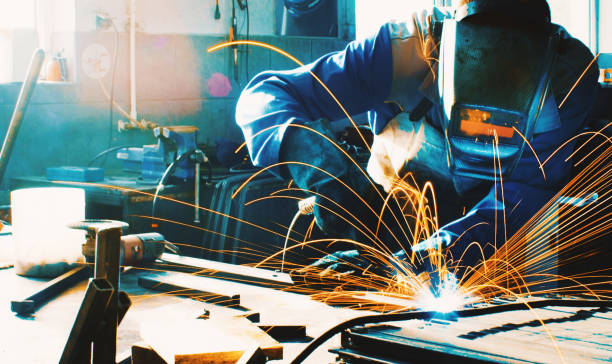
Chemical mechanism: The aromatic carbonate units in the chemical structure of polycarbonate give it a strong absorption peak in the ultraviolet spectral region below 380 nanometers . Chemically speaking, it is itself a highly efficient ultraviolet filter .
The Importance of Security Backup Mechanisms
This built-in UV protection provides welders with a crucial safety backup:
Significance: This means that even if the automatic light-changing function of the ADF fails (e.g., the battery runs out) or the protective film on the surface is removed due to wear, the polycarbonate filter itself can still provide permanent and continuous UV protection .
Protection: This “built-in UV protection” is the last line of defense for welders ‘ eye safety , ensuring that your retina and cornea are never exposed to the harmful ultraviolet radiation generated by the electric arc.
IV. Conclusion: Polymer materials that combine toughness and spectral safety
Polycarbonate lenses are an underrated engineering marvel in welding helmets . They achieve exceptional impact resistance thanks to their amorphous structure , maintain thermal stability through high Tg , and utilize their aromatic units for built-in UV protection .
Key points: Polycarbonate strikes a perfect balance between physical strength and spectral safety , making it an ideal protective material for welding environments. The next time you pick up your helmet, remember you’re protected by an “invisible fortress.”
Action Guide: Regardless of your helmet brand, the next time you replace your protective plate , make sure you choose high-quality polycarbonate material to ensure your welding helmet provides the highest standard of impact and radiation protection !