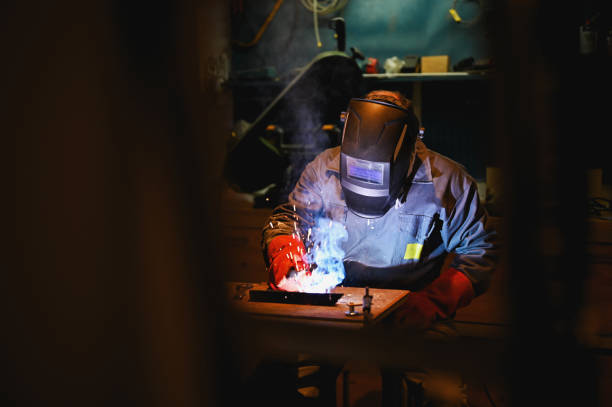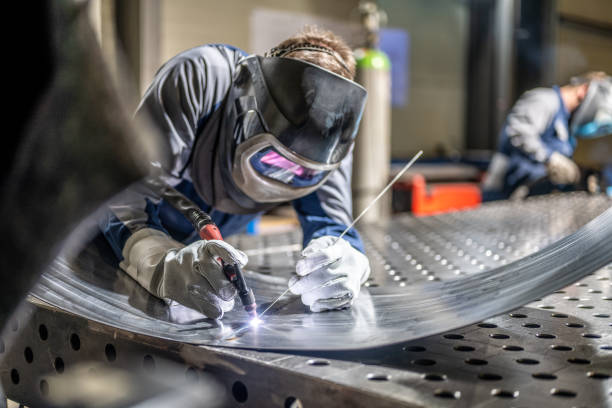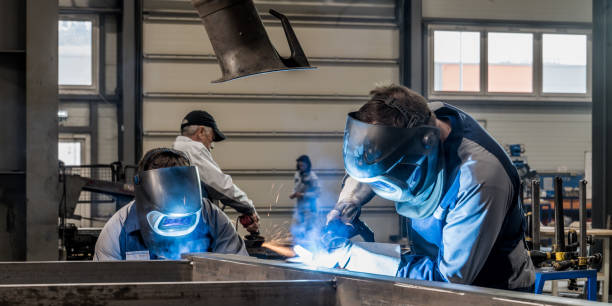
Electric arc light is an unavoidable feature of welding operations, but it also carries an invisible and highly destructive threat . Even a momentary exposure to the naked eye can cause painful corneal burns .
In the field of safety, this acute occupational injury is called photokeratitis , while in the workshop it is known as “photokeratitis” or “welder’s flash .” It is not a myth, but rather the most common and preventable painful experience for welders.
This article will delve into the causes of photokeratitis , its alarming “delayed onset” mechanism, and provide you with three levels of professional protection strategies to ensure that your welding mask and the procedures behind it offer comprehensive safety.
I. Understanding the Threat: Photokeratitis Causes and the terrible delayed onset
To defend yourself effectively, you must first understand how your enemy attacks you.
Causes: Ultraviolet rays (UV) radiation is a killer of the cornea.
mechanism: Electric arc light contains intense UV-C and UV-B radiation. These short-wave ultraviolet rays have powerful energy and are rapidly absorbed by the cornea and conjunctiva of the eye, causing acute necrosis and shedding of surface epithelial cells . Essentially, it’s like your eyes getting a severe “sunburn . “
Incubation period: The most insidious aspect of photokeratitis is its delayed onset . Symptoms do not appear immediately after exposure, but typically begin 6 to 12 hours later . This means that many welders are often awakened suddenly by severe pain while resting or sleeping at night .
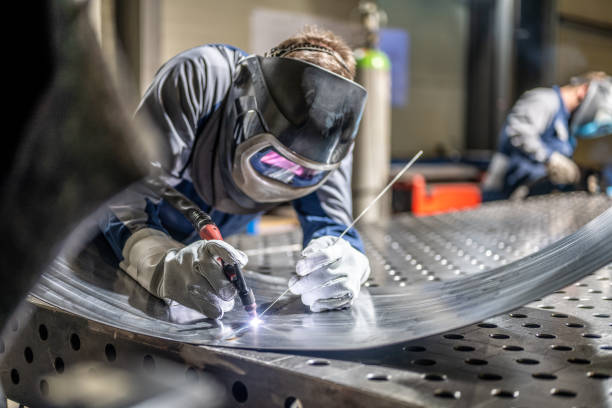
Symptoms: Like “sand in the eye”
Once it occurs, the symptoms are severe and unbearable:
Typical symptoms: Welders may experience severe foreign body sensation (feeling as if their eyes are full of sand), unbearable photophobia , excessive tearing , eyelid spasms , and blurred vision .
Recovery: Although photokeratitis usually heals on its own within 24-48 hours without leaving permanent damage, the pain during an attack is notoriously unbearable.
II. Protective Three levels Build your security barrier
Preventing stun gunfire requires a multi-layered protection strategy, rather than relying solely on the helmet’s automatic light-adjusting function.
Level 1 protection: ADF Correct settings (active protection)
This requires your automatic dimming filter (ADF) to be in optimal working condition:
Shade Level: It must be precisely matched to the soldering current (amperes) and process (MIG/TIG/Stick) you are using . Excessive light can cause eye fatigue and cumulative damage.
Sensitivity: Check the sensitivity settings. Especially when performing TIG welding or using low current , ensure that the sensitivity is high enough so that the lens can quickly and accurately capture the faint arc light.
Power supply stability: ADF is an electronic device, and regular inspection and battery replacement are absolutely essential to ensure its stable dimming at the moment of arc ignition .
Level 2 protection: Physical barriers and auxiliary equipment (passive protection)
Your face mask itself must provide passive protection :
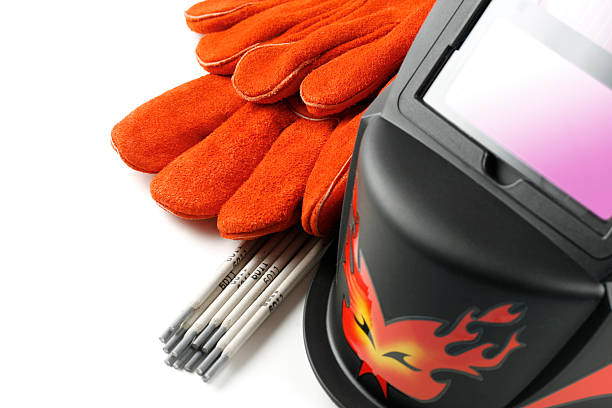
Helmet Material: Ensure your welding visor and protective plate are made of high-standard materials such as polycarbonate . Polycarbonate itself provides permanent UV/IR radiation absorption , serving as a safety backup in case of automatic dimming failure .
Work area isolation: In high-density welding areas , or when someone is grinding nearby, use opaque partitions or isolation screens to prevent “bystander flash” and protect colleagues who are not wearing masks.
Level 3 Protection: Processes and Education (Habit Formation)
Taboo: It is strictly forbidden to attempt any welding or arc striking while the automatic light-changing helmet is set to Grind Mode .
consciousness: Never look directly at an electric arc with the naked eye . Even the brief pause in the arc’s emission can leave residual radiation that can cause harm.
IV. Countermeasures: Emergency treatment and Medical Guide
If you or a colleague experience a flare-up of “sparkling eyes” symptoms, please follow these guidelines:
Emergency Treatment (Do’s & Don’ts):
Immediately stop using your eyes and move to a dark, quiet environment to rest.
Do not rub or scratch your eyes, as this will worsen corneal damage .
a cold compress can relieve the burning and pain in your eyes.
Medical advice: If symptoms are severe, especially if the pain is unbearable or vision remains blurred, seek medical attention immediately . The doctor will prescribe antibiotic eye drops to prevent infection, medication to promote corneal epithelial repair , and will instruct on subsequent pain relief and cold compresses.
V. Conclusion: Safety habits are the best mask.
Photokeratitis is a completely preventable acute injury. Your core protection strategy is simple: correctly set ADF parameters, ensure a stable power supply, and use high-quality… UV absorbing materials .
Key points: The best mask isn’t the most expensive helmet, but your consistent adherence to safety habits . Don’t let a moment’s carelessness result in hours of intense pain and work interruption.
Guideline: Please immediately review your welding mask manual to confirm that your sensitivity settings are suitable for your most frequently performed welding processes ! If you are performing low-current TIG welding , please ensure that your sensitivity is adjusted to the highest level.