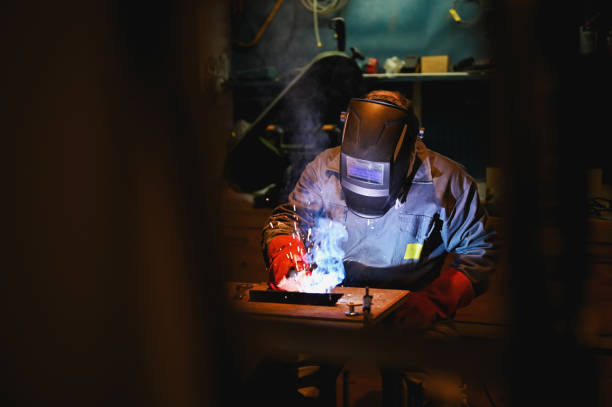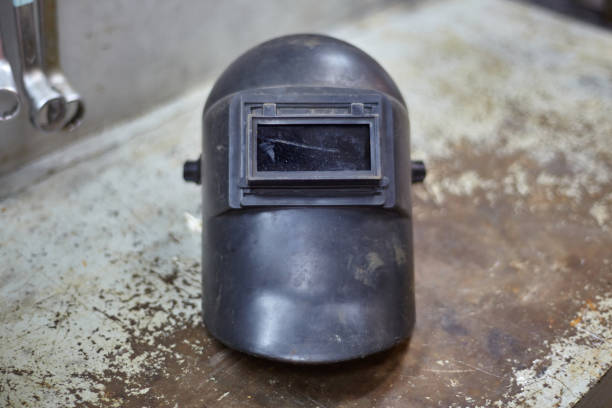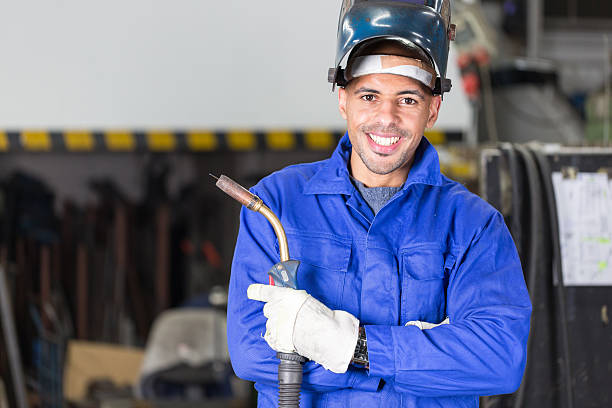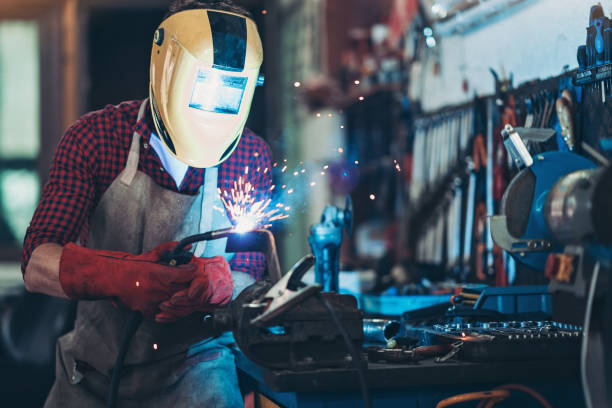
For professional welders, the welding helmet is protective equipment (PPE), and also the “second face” you wear most often at work. When you spend hours staring at the electric arc, the helmet is your world.
Are you tired of the monotonous black or gray of factory uniforms? In this era that emphasizes personal branding , more and more welders hope to express their style, sense of humor, or even the professional image of their team through personalized paint jobs .
Cool, but safe is paramount! This article provides a comprehensive guide to helmet painting and custom design . We’ll cover safety red lines , material selection , and customization tips to ensure you don’t sacrifice protection when creating a unique “combat helmet.”
I. Safety Custom design The red line: Principles that must be adhered to
Personalization should never supersede safety certification . The welding helmet shell is a life-saving tool that has undergone rigorous fire resistance and impact resistance certifications.
Never alter the structure or materials
Core principle: Your helmet shell is made of special thermosetting plastics or composite materials designed to protect you from high temperatures and high-speed impacts.
Taboo behaviors: Drilling, cutting , or severely heating the helmet is strictly prohibited . These actions will directly compromise the structural integrity of the material , causing it to crack under splashes or high heat, thus invalidating PPE certification and endangering your safety.
Avoid blocking ADF Sensors and vents
Functionality Guarantee: No paint or stickers may be used to cover it . Any light sensor on the automatic light-changing lens (ADF) . Even a thin layer of paint or sticker can interfere with the sensor’s ability to capture arc light, causing light-changing failure (Arc Flash) .
Breathing safety: If your helmet is designed with vents , or if you plan to integrate a PAPR system (Powered Air-Press Filter Respirator), make sure your custom design does not block these airflow inlets.
II. Personalized Painting Materials and Techniques Safety and Durability
The key to a successful paint job lies in the compatibility between the paint and the helmet’s plastic . Using the wrong chemical solvents can ruin your helmet.
Coating materials Choice – Compatibility is the lifeline
Recommended materials: Use only plastic-friendly, solvent-free, non-flammable acrylic -based or water-based paints . These paints are typically recommended for plastic parts in automotive bodywork or model making .
Materials to avoid: The use of oil-based or strong solvent-based paints containing highly corrosive solvents is strictly prohibited . These solvents will penetrate and soften the thermosetting plastic shell of the helmet, destroying its structural integrity at the molecular level .
The necessity of surface treatment and primer
To ensure your paint lasts and doesn’t peel, proper preparation is crucial:
Preparation: Before painting , the helmet surface must be lightly and evenly sanded with fine sandpaper (400-600 grit recommended) . This will create “micro-scratches” that increase paint adhesion .
Key step: Before applying the color paint, spray a layer of plastic-specific primer . The primer acts as a bridge between the paint and the plastic, greatly improving the durability of the coating and preventing paint from peeling in the working environment.
Decals and Wraps
Advantages: This is the safest and non-permanent method for custom designs . High-quality vinyl stickers and decals do not release harmful solvents or damage the casing.
Precautions: Avoid applying stickers over large areas in high-temperature regions to prevent the edges of the stickers from curling or falling off due to heat.
III. Meeting Differentiated Needs: From Art arrive Branding
Your custom helmet is more than just graffiti; it’s an extension of your personal brand .
Custom design artistic expression
Theme selection: From hardcore traditional themes such as flames, skulls, and animals , to company logos , personal nicknames , or pop culture elements (such as retro comics and movie characters), your helmet is your personal canvas .
Professional Services: If you’re unsure of your skills, you can seek services from airbrush artists or custom spray painting studios . They are not only highly skilled but also understand how to handle helmet curvature and material compatibility issues.
Establish Personal Branding Team culture
Branding: A custom-designed helmet is highly recognizable on social media and is a powerful tool for building a personal brand and attracting customers.
Team Identity: For large teams or companies, a uniform, customized paint scheme featuring the company logo or mascot can greatly enhance team cohesion and professional image .
IV. Conclusion: Safety and style are both essential.
Personalized welding helmets are the perfect blend of style and safety . Proper material selection and processes are key to ensuring your paint job doesn’t compromise PPE certification .
Key takeaway: Your welding helmet can tell your story, but remember, its primary function is to protect you. Safety standards should always come first.
Guideline: Before starting your custom design project, carefully read the helmet manufacturer’s official guidelines regarding paint compatibility . If in doubt, choose water-based acrylic paint to ensure your coating is safe!