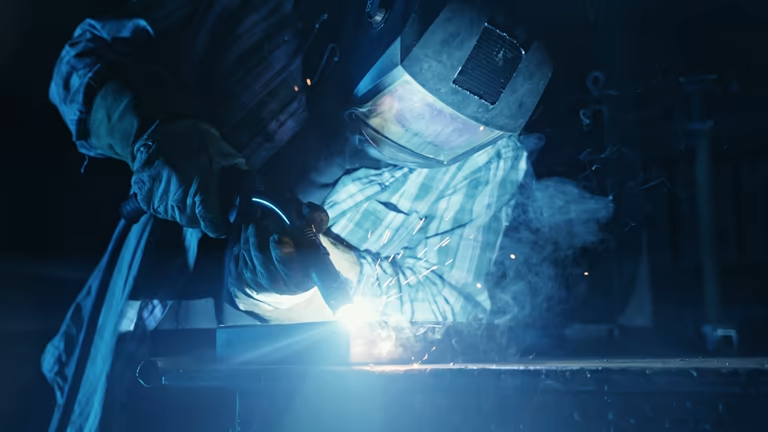
When you fasten an Automatic Dimming Light (ADF) welding helmet to your face, you gain active protection against the intense light of the electric arc. However, please note a harsh reality: most of the danger in the full spectrum of radiation emitted by the arc comes from the unseen parts —high-energy ultraviolet (UV) and high-heat infrared (IR) radiation .
These non-visible radiations are extremely insidious; they bypass your main lens and silently attack your eyes and skin through the side seams of your helmet, your neck, or gaps in your protective suit. This continuous, cumulative exposure can lead to acute injuries such as “arc eye,” as well as more chronic threats such as cataracts and skin cancer.
This article goes beyond the limitations of the main visor and provides a comprehensive list of protections beyond welding helmets . We will explore how to create an impenetrable safety fortress by choosing the right visor material , utilizing side windows , and constructing a full-body protection system to effectively block these invisible radiation killers.
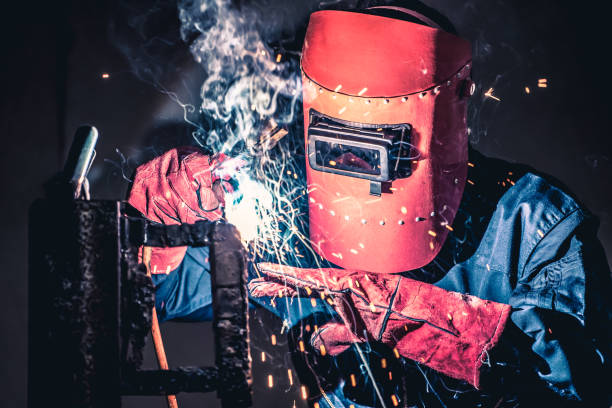
Non-visible radiation : An analysis of the invisible killer in electric arcs
Electric arc radiation is like a multi-dimensional attack. When we focus on visible light, the real long-term or acute damage often comes from the two ends of the spectrum.
Ultraviolet (UV) radiation: A high-energy culprit in acute injuries
the highest-energy form of radiation in an electric arc . Its danger lies in its instantaneous destructive power ; you won’t feel the heat, but cell damage has already occurred.
Damage Mechanism: Arc Eye and Skin Aging
UV radiation can instantly damage the cellular layer of the cornea, causing the infamous “arc eye” (also known as keratitis). This is an extremely painful inflammation, feeling like sand in your eye. Although usually reversible, each instance of damage cumulatively depletes your vision. For exposed skin, long-term UV radiation is a major factor in accelerating skin aging, causing rough skin, and increasing the risk of skin cancer.
Infrared (IR): Latent threat of thermal damage
Infrared radiation is the primary source of heat radiation in an electric arc . The burning sensation you feel while working is caused by IR radiation.
Damage Mechanism: Cataracts and Deep Burns
Infrared radiation can penetrate the front of the eye, where it is absorbed by the lens and retina and converted into heat. Prolonged IR exposure is considered by the scientific community to be a key contributing factor to cataracts and retinal thermal damage . Furthermore, even skin covered by work clothes can suffer chronic thermal damage or even deep burns from prolonged exposure to high infrared heat sources.
Beyond welding helmets : Constructing a comprehensive protection system
Relying solely on the shading function of the ADF main visor is far from sufficient. You need to extend the protection to the helmet’s structure, materials, and full-body coverage.
Helmet design side and material protection
Radiation often penetrates through the sides of the welding helmet or the material itself, especially when performing displacement welding.
Helmet side windows : a smart balance between protection and visibility
Some professional-grade welding helmets are equipped with side windows . These side windows typically use filters with a fixed shading level (such as Shade 5), but they must provide permanent UV/IR blocking , regardless of whether the ADF (Advanced Visual Deflector) is darkened. They are designed to improve peripheral vision while compensating for blind spots on the sides of the helmet.
Face mask material : providing heat and radiation protection
The material of a welding helmet is crucial. A high-quality shell (such as specialty nylon or polycarbonate) can effectively block most UV/IR radiation. When choosing a helmet, ensure that the material has excellent heat resistance and splash resistance to prevent the shell from deforming or aging due to high temperatures, as physical damage will weaken its protection against non-visible light.
Full-body protection: Building a protective fortress for the skin
For skin areas not covered by the welding helmet , special protective measures must be taken to ensure that radiation cannot penetrate.
Neck and head aprons: Eliminating the risk of light leakage
The neck, ears, and back of the head are the areas most susceptible to UV/IR radiation penetration through reflection or gaps. Using a high-quality flame-retardant hood or helmet skirt is crucial. These effectively eliminate gaps between the welding helmet and the work uniform collar, blocking UV rays reflected from below or the sides.
Flame-retardant workwear (FRC): The last line of defense
Choosing flame-retardant workwear (FRC) with an appropriate protection rating is the final step in skin protection. These garments not only resist flames and heat, but their thick material also blocks most penetrating UV radiation. Pay special attention to exposed areas such as cuffs, collars, and trouser legs, ensuring they are completely covered to prevent UV radiation from reflecting off the skin through gaps.
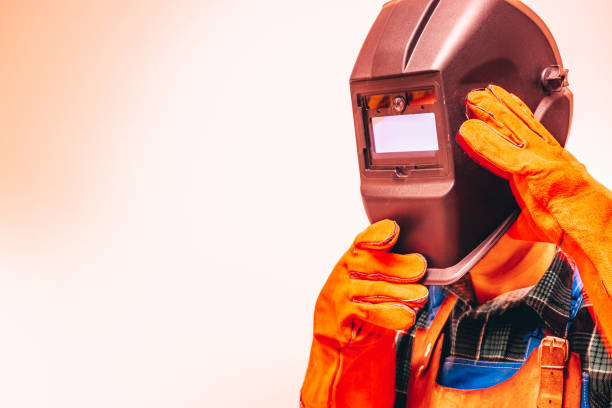
Operating procedures and habits for non-visible light protection
Proper operating habits and regular equipment checks can maximize the effectiveness of your protective gear.
Ray tracing and reflection removal
As a welder, you need to be constantly vigilant about the sources of arc light and reflected light .
Avoid highly reflective surfaces
In welding areas, any bright, smooth, or damp surface (such as polished metal, snow, or white walls) can be a highly effective source of UV/IR radiation reflection . Use dark, matte barriers or floor coverings in the work area to minimize reflections.
Regularly inspect and replace parts
The effectiveness of protective equipment decreases over time and with wear and tear. You cannot rely on aging equipment to protect yourself.
Check side windows and protective lenses
Regularly inspect the side windows, inner and outer protective lenses, and neck apron of your welding helmet . Any scratches, cracks, or abrasions can become a ” leak ” for UV/IR radiation. Once damage is discovered, the helmet must be replaced immediately , as even small scratches can affect the integrity of non-visible light protection.
Summary and Reflection: Safety is in the details that are invisible to the naked eye.
The risks of electric welding operations extend far beyond what is visible to the naked eye. Ultraviolet and infrared radiation, two types of invisible light radiation, pose a real threat to welders’ long-term occupational health.
A qualified welding helmet is only the first step in protection. A truly complete safety system is built by integrating side window design, high-quality face mask materials , and a fully enclosed flame-retardant suit . Shifting the focus of protection from “what can be seen” to ” what cannot be seen ” is a professional skill that every welder must master .
Reflection and Questions: In your daily work, what do you think are the most frequently overlooked UV/IR exposure areas (e.g., wrists, back of the neck)? What are your thoughts on the side window design of welding helmets ? Please share your protection experiences and suggestions in the comments section!